


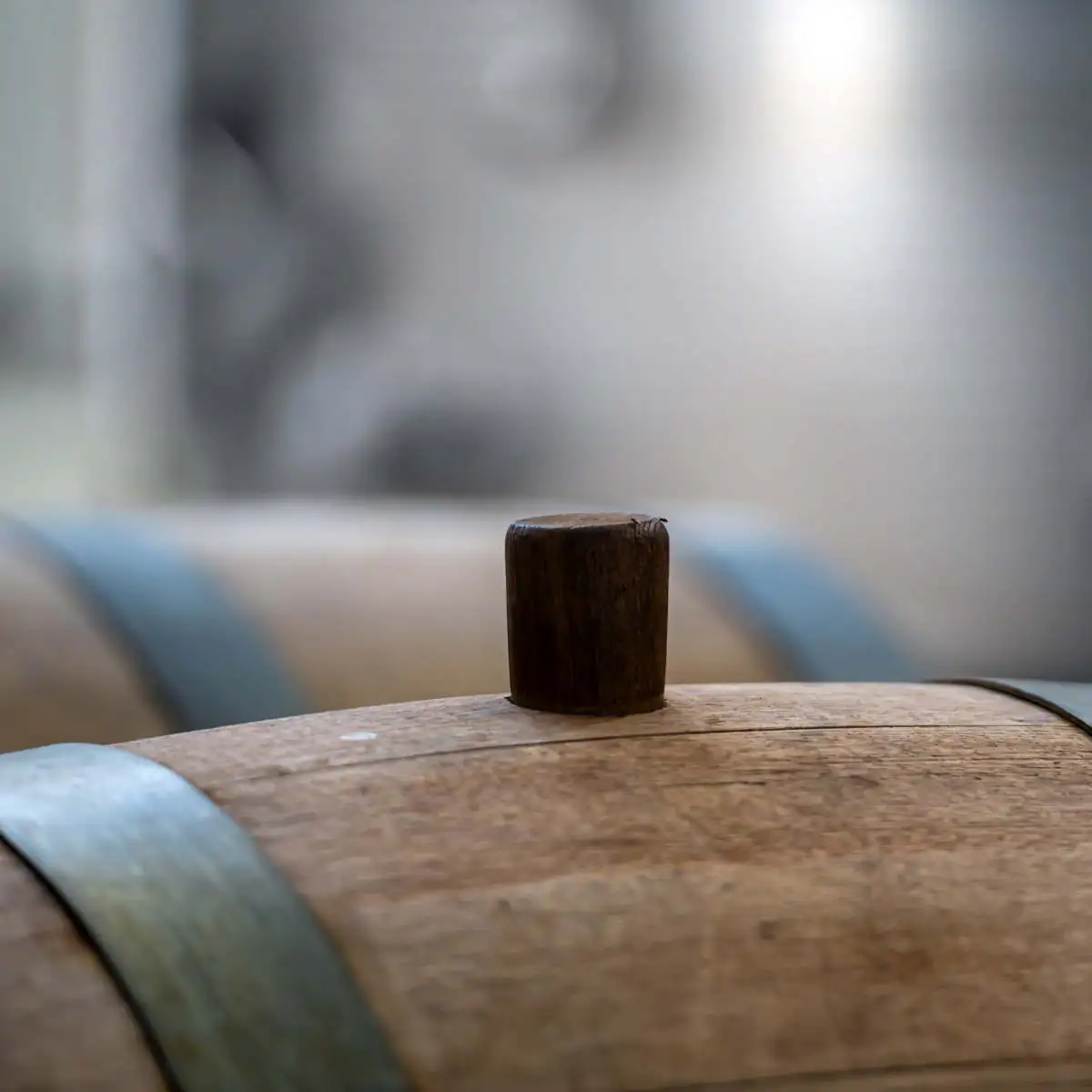
An oak barrel is not a sealed container by default. It is a functional vessel made from natural oak wood, designed to work through interaction with liquid, air, and time. Before first use, the barrel must be properly prepared so the wood can adjust to moisture, expand evenly, and form a tight seal.
Oak is a living material. When exposed to dry air, sunlight, temperature fluctuations, or constant airflow, it gradually loses internal moisture. As a result, gaps may appear between staves, leading to seepage or cracking. This behavior is inherent to oak and does not indicate a manufacturing defect.
At the same time, storing an empty barrel for long periods in damp or excessively humid conditions is also undesirable. High external humidity can cause uneven swelling of the wood and may lead to surface mold forming on the outside of the barrel. For this reason, correct preparation before use and proper storage afterward are equally important.
For best results, a new oak barrel should be purchased shortly before it is intended to be used. Long-term storage of an empty barrel should be avoided whenever possible.
Before beginning the preparation process, inspect the barrel carefully. Examine the staves and heads for visible cracks or gaps, check that the hoops are secure and evenly positioned, and make sure all components are present. Inspect the tap (spigot), bung, and stand. To check the interior, shine a light through one bung hole and look through the opposite opening.
Every new oak barrel requires preparation before filling. This process allows the wood to absorb water, expand gradually, and become naturally sealed.
Water Quality – Important Note
Clean water plays an important role during barrel preparation. It is recommended to use water that does not contain chlorine. Chlorine commonly found in tap water can interact with oak compounds and may later influence the aroma or taste of the beverage stored in the barrel.
If tap water is the only option, allowing it to stand in an open container overnight helps reduce chlorine content. Alternatively, filtered or bottled water may be used to ensure neutral conditions during soaking.
How to Prepare an Oak Barrel for Use
Before a barrel is filled with wine, spirits intended for aging or other beverages, the wood must be swollen with water so it can seal itself naturally.
Two well-established preparation methods are commonly used:
- cold water soaking
- hot water soaking
The barrel should never be fully submerged in water.
Cold Water Soaking Method
Begin by rinsing the inside of the barrel three to four times with clean, cool water to remove any remaining wood dust or debris. Using a funnel can make this process easier. Fill the barrel slightly more than halfway, shake it thoroughly, and drain the water. Repeat this step several times.
Insert the spigot into the tap hole by hand. Secure it with two to three gentle taps of a hammer. Do not apply excessive force. If the barrel is fitted with glass heads, the spigot must be inserted by hand only, without using a hammer.
Place the barrel on its stand and begin filling it gradually. Start by filling approximately one third of the volume and allow it to sit for three to four hours. Then increase the water level to about two thirds and wait another three to four hours. After that, fill the barrel completely to the top.
Initial leakage is common at this stage and should not cause concern. Position the barrel in a sink, tray, or another suitable area where small amounts of water can drain safely.
Keep the barrel completely full until all leakage stops. If water continues to seep, check the barrel periodically and top it up to ensure it remains full at all times. Even if the barrel appears sealed after a short period, it is recommended to leave it filled with water for at least 48 hours to allow the wood to swell evenly. Depending on how dry the barrel was prior to soaking, full sealing may take anywhere from one to six days.
During this process, the barrel should be kept in a well-ventilated area. If soaking continues beyond two days, replace the water regularly with clean water to reduce the risk of mold or bacterial growth.
Once the barrel has fully sealed, drain the water through the bung hole, rinse the interior again, and place the barrel on its stand with the bung hole facing downward. Allow it to remain empty for approximately one hour. After this, the barrel is ready to be filled. It is advisable not to leave the barrel empty for extended periods and to proceed with filling as soon as preparation is complete.
Avoid draining water through the spigot, as fine wood particles may block it and interfere with proper operation.
Hot Water Soaking Method
Rinse the interior of the barrel three to four times with clean, cool water to remove any remaining wood residue. Insert the spigot by hand and secure it using two to three very light taps with a hammer. Do not strike forcefully.
Position the barrel securely on its stand. Pour hot water at approximately 70–80 °C through the bung hole using a funnel, using about 25% of the barrel’s total volume. For example, a 10-liter barrel requires roughly 2.5 liters of hot water. This method is not suitable for barrels with glass heads.
Insert the bung and tighten it by hand. Slowly rotate the barrel on its stand for about 15 minutes, changing its position every few minutes so the hot water can reach all internal surfaces evenly.
After rotation, remove the bung carefully, turn the barrel so the bung hole faces downward, drain all water completely, and allow the barrel to cool while empty. Exercise caution when removing the bung, as hot steam may escape under pressure. Steam buildup can force the bung or spigot outward, so keep hands clear of openings and avoid leaning over the barrel.
Once the barrel has cooled, fill it completely with clean, cool water. Even if no seepage is visible, it is recommended to keep the barrel filled for approximately 48 hours to ensure uniform swelling of the wood. If leakage occurs, inspect the barrel periodically and add water as needed to keep it full. Sealing time typically ranges from one to six days, depending on initial dryness of the barrel.
During soaking, store the barrel in a well-ventilated space. If water remains inside for more than two days, drain it and refill with clean water.
When the barrel is fully sealed and dry on the outside, drain the water through the bung hole, rinse the interior again, and place the barrel on its stand with the bung hole facing downward. Let it stand empty for about one hour. Afterward, the barrel is ready for use and should be filled with beverages without unnecessary delay.
Do not drain liquid through the spigot, as small wood particles may clog it and impair its function.
Storage of a Filled Oak Barrel with Beverages During Aging
• Keep the barrel in a space with a consistently cool temperature, ideally around 13–15 °C
• Maintain moderate ambient humidity in the range of approximately 65-75 %
• Place the barrel away from areas with continuous direct air movement
• Allow normal room ventilation, ensuring that airflow is not directed toward the barrel
• Keep the barrel protected from direct sunlight during storage